
Mapping India: A Megaseries on Citizens’ Lives
“Mapping India” is an ongoing mega-docuseries which aims to portray the lives of Indian citizens in every state and Union territory in relation to (a) Governance: the governance they receive, or lack thereof, (b) Democracy: their rights and freedoms they have, or lack thereof, and the representation they have in decision-making, (c) Economy: their ability to earn a living to be able to live with dignity, and (d) Society: issue they face in the society they live in.
This mega-series involves producing 144 video/audio stories (over 4,000 minutes, or 66 hours, of content) from the ground, to help the Indian audience look at issues from a more humanitarian perspective, and to “feel” what their fellow citizens go through in their day-to-day lives.
To us, at Newsreel Asia, being national does not mean covering issues of national significance, but rather issues that are important to people in each state and Union territory. In other words, being national to us means the sum total of all states and Union territories.
States
ARUNACHAL PRADESH

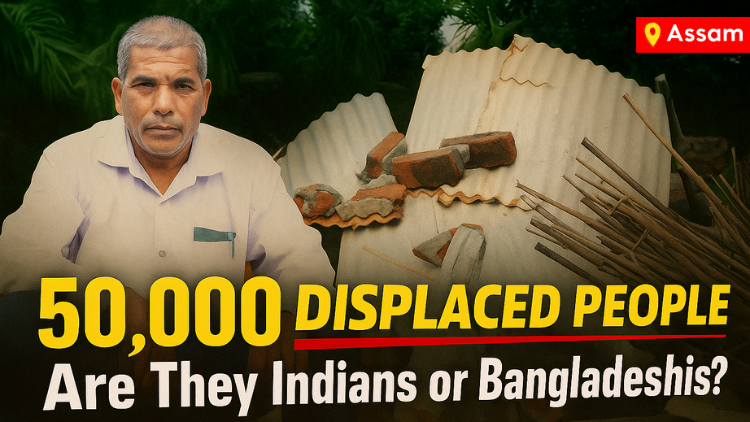
ASSAM

Bihar

Chhattisgarh

Delhi

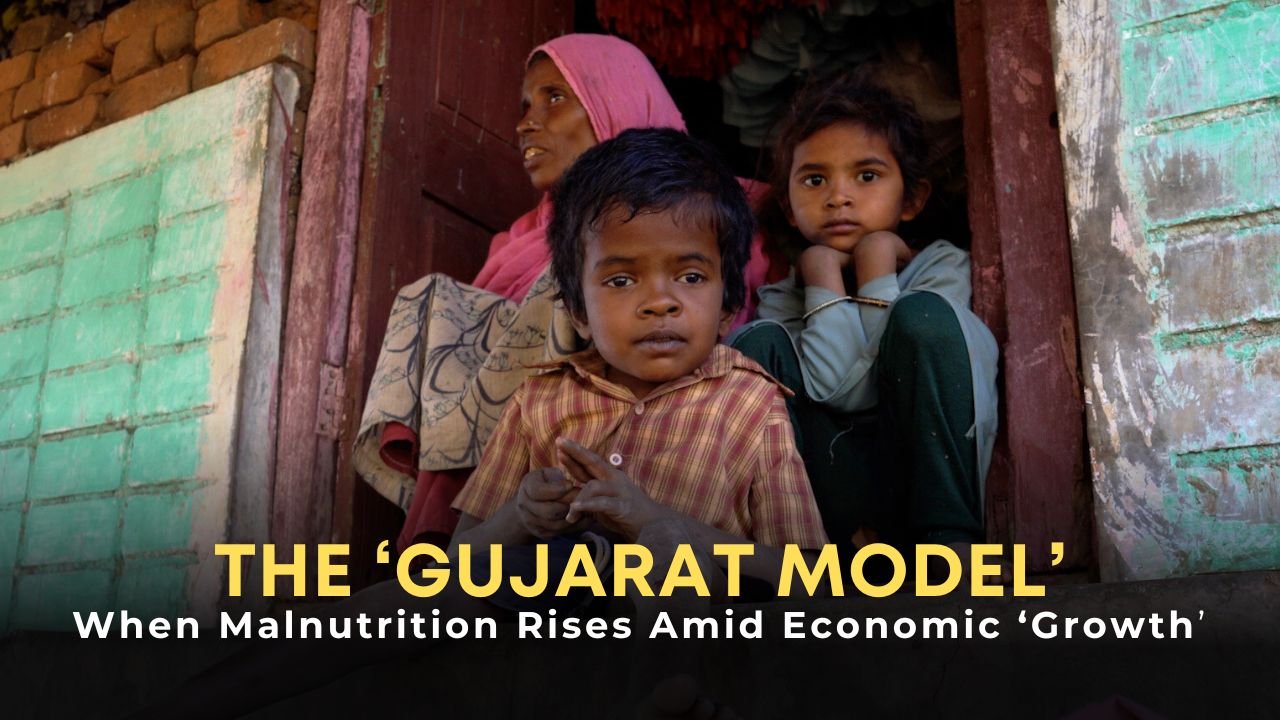
Gujarat

Haryana

Himachal Pradesh

Jammu and Kashmir

Jharkhand

KARNATAKA

Madhya Pradesh

Maharashtra

ODISHA

Punjab

Rajasthan
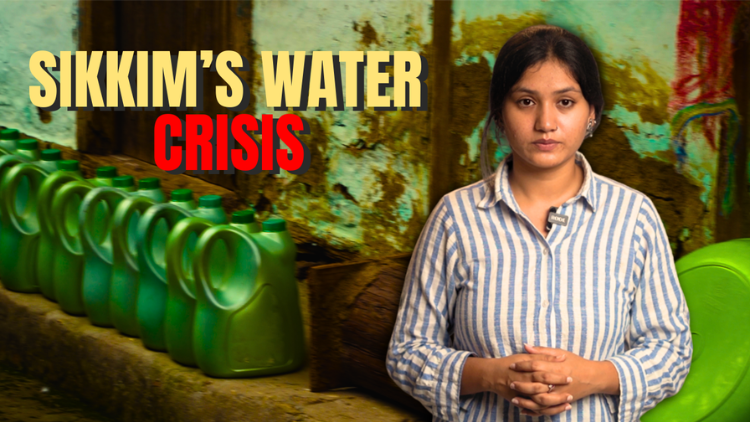
SIKKIM

Uttarakhand

Uttar Pradesh

WEST BENGAL
Latest Videos
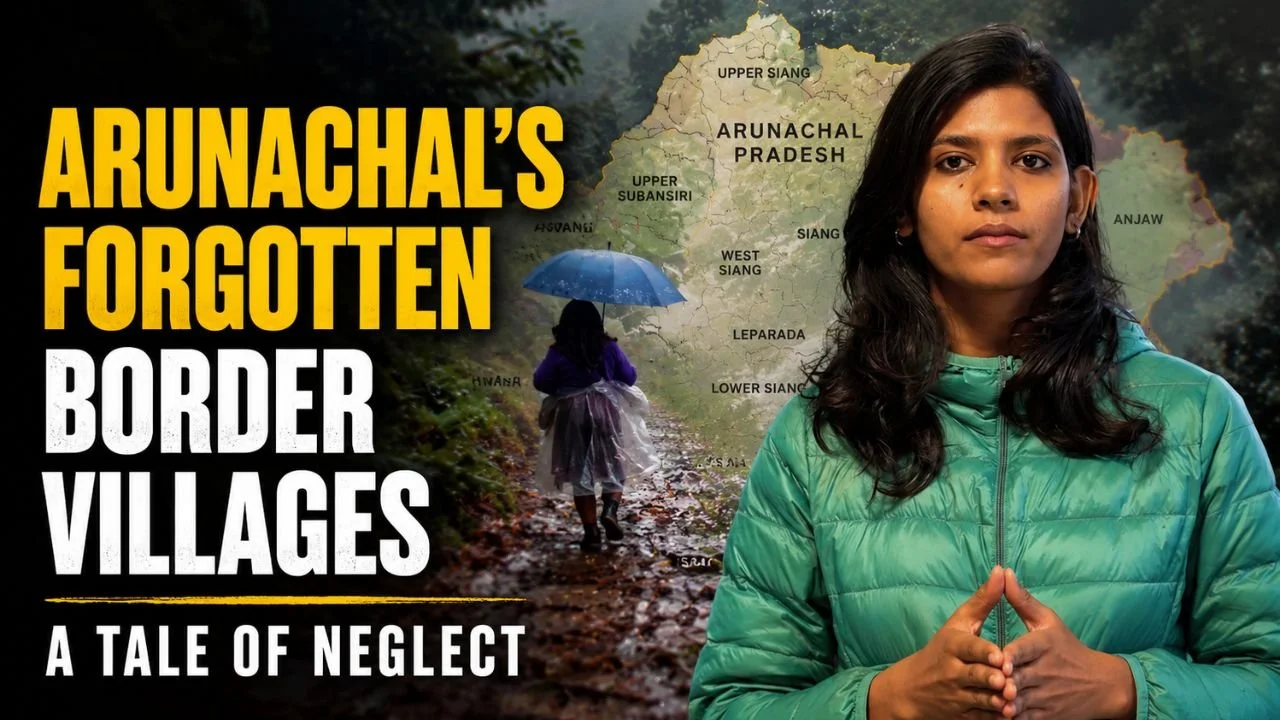
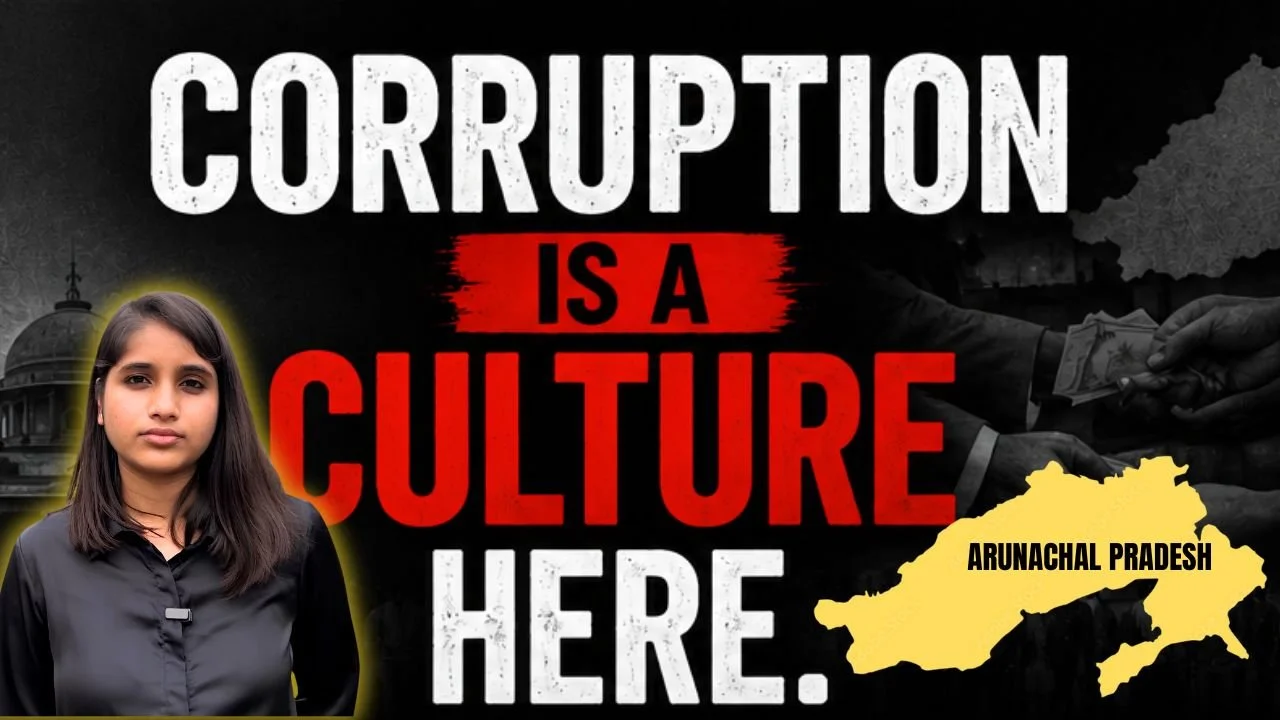








In this documentary, Newsreel Asia producer Harshita Rathore travels to Arunachal Pradesh to understand the decades-long debate surrounding the Arunachal Pradesh Freedom of Religion Act (AFRA), 1978. Through conversations with leaders from the Christian community and the Donyi Polo movement, she explores why the law was introduced, why it remained dormant for 46 years, and why its revival has sparked fresh protests after the Gauhati High Court's 2024 directive. The documentary also examines the history of religious conversion in Arunachal Pradesh, the revival of indigenous faiths like Donyi Polo, and the larger question of whether faith can ever be regulated by law.