LATEST NEWS: KEY DEVELOPMENTS YOU NEED TO KNOW
Newsreel Asia is an independent news media committed to rigorous journalism and narrative storytelling across governance, democracy, economy and society, focused currently on India. Founded on World Press Freedom Day 2021, it works to cut through the noise and bring clear, truthful reporting to the forefront.
The central government is reportedly considering delaying its plan to increase the amount of ethanol mixed with petrol from the current 20% to 25%. The government’s rationale is that the move would reduce India’s dependence on imported crude oil, lower some vehicle emissions and create a bigger market for Indian farmers. However, these stated public policy objectives overshadow several economic principles that lie behind citizens’ opposition to the proposal.
Artificial intelligence is changing how Indian newsrooms reach their audiences, and the way outlets handle that change will affect what news people see, how well they can trust it and whether independent journalism can survive on platforms it no longer controls. This came out at a panel discussion at the India launch of the Digital News Report 2026, an annual study of global news consumption by the Reuters Institute for the Study of Journalism at the University of Oxford.
Millions of Indians now create videos, podcasts, photographs and social media content for online audiences. A new study suggests that content creation is spreading to smaller cities, growing more professional and occupying an increasingly important place in young people's lives. This growth brings significant social benefits. It could also bring problems of mental health, misinformation and a culture increasingly driven by the pursuit of attention.
The West Bengal Assembly has passed two laws that allow authorities to place people identified as “goondas” (violent criminals, gang members or habitual offenders) in preventive detention for up to 12 months and confiscate their property to compensate victims of damage caused during public disorder. The move is causing concern that these laws could be used against political opponents, activists and protesters because of the broad powers they grant the government.
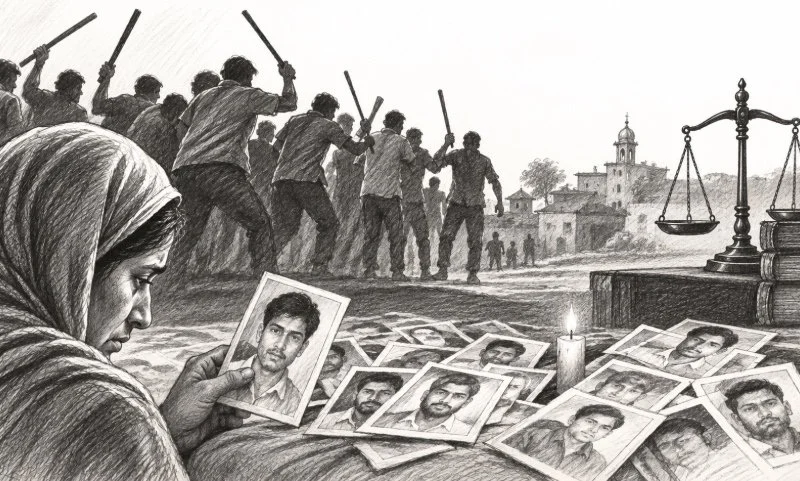
A judge in Madhya Pradesh who sentenced seven men to life imprisonment for their role in a lynching case is facing a campaign of protests, threats and abuse. It is disturbing that sections of the public have reacted not with concern about the man who was beaten to death by a mob, but with anger that those found guilty of the killing were punished. The reaction points to a particular way of thinking about mob violence, justice and the rule of law, and deserves a psychological explanation.
India’s caste system has long assigned the most physically exposed forms of labour to the communities least able to refuse them. That old arrangement has taken on new urgency as summer temperatures push past the limits of human endurance. Sections of the Muslim community also bear a disproportionate burden during heatwaves because of residential exclusion.
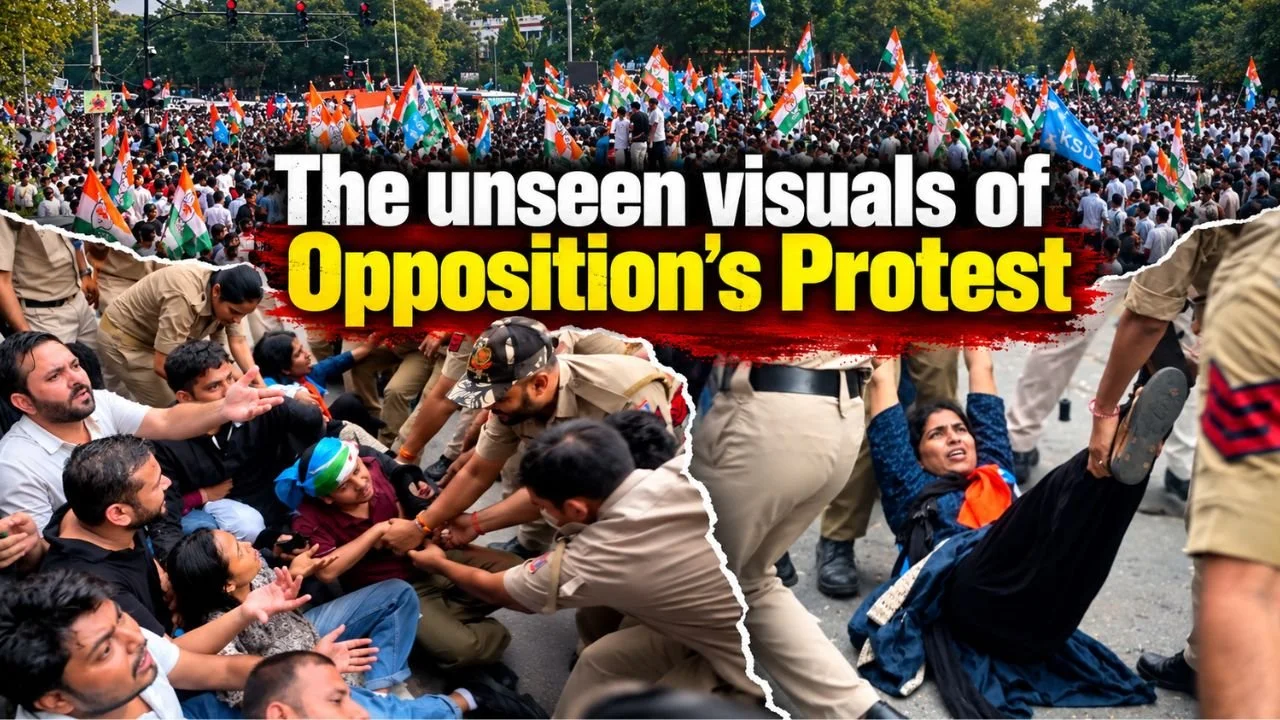
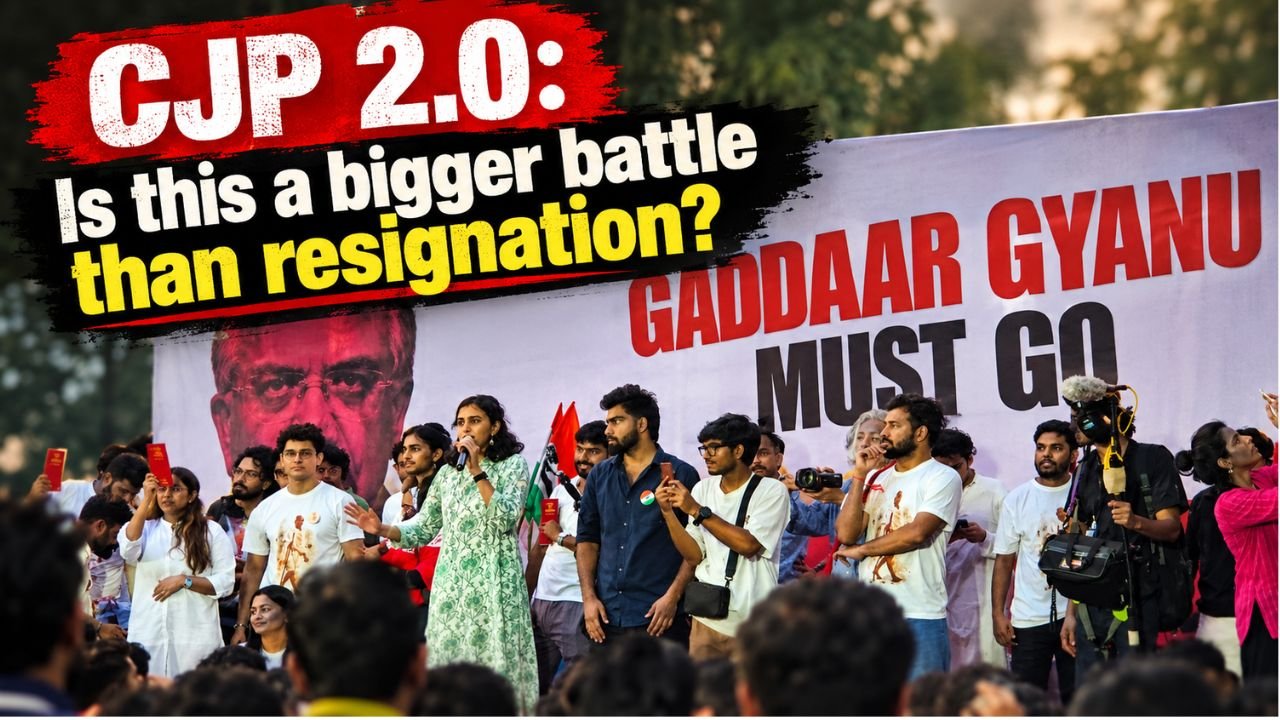
Thousands of young people, including students who appeared for recent NEET and CBSE examinations, their parents, student unions, job aspirants, and civil society groups, gathered at Jantar Mantar in New Delhi on June 6 for a protest organised by the Cockroach Janta Party (CJP). Participants demanded the resignation of Education Minister Dharmendra Pradhan following the NEET paper leak controversy and a series of examination-related irregularities reported in recent years.
Latest News Commentaries
India wants to reduce its dependence on imported oil. One of the biggest tools in that plan is already reaching our fuel tanks: ethanol blended petrol. Supporters say it can save billions in oil imports, strengthen energy security, support farmers, and make India less vulnerable to global oil shocks. Critics ask a different question: What happens to engines, water resources, agriculture, and long-term costs? As conflict and uncertainty continue to affect global energy markets—including in West Asia—the debate around fuel is becoming bigger than just petrol prices. In this video, we unpack the economics, science, and trade-offs behind India’s ethanol push.
Video Features
Suleman Ali lived his entire life in Hasila Beel, a village in Assam’s Goalpara district. He built his home brick by brick over years of labor, married off his daughters there, and believed his documents proved he belonged. But one morning in June 2025, bulldozers reduced it all to rubble.
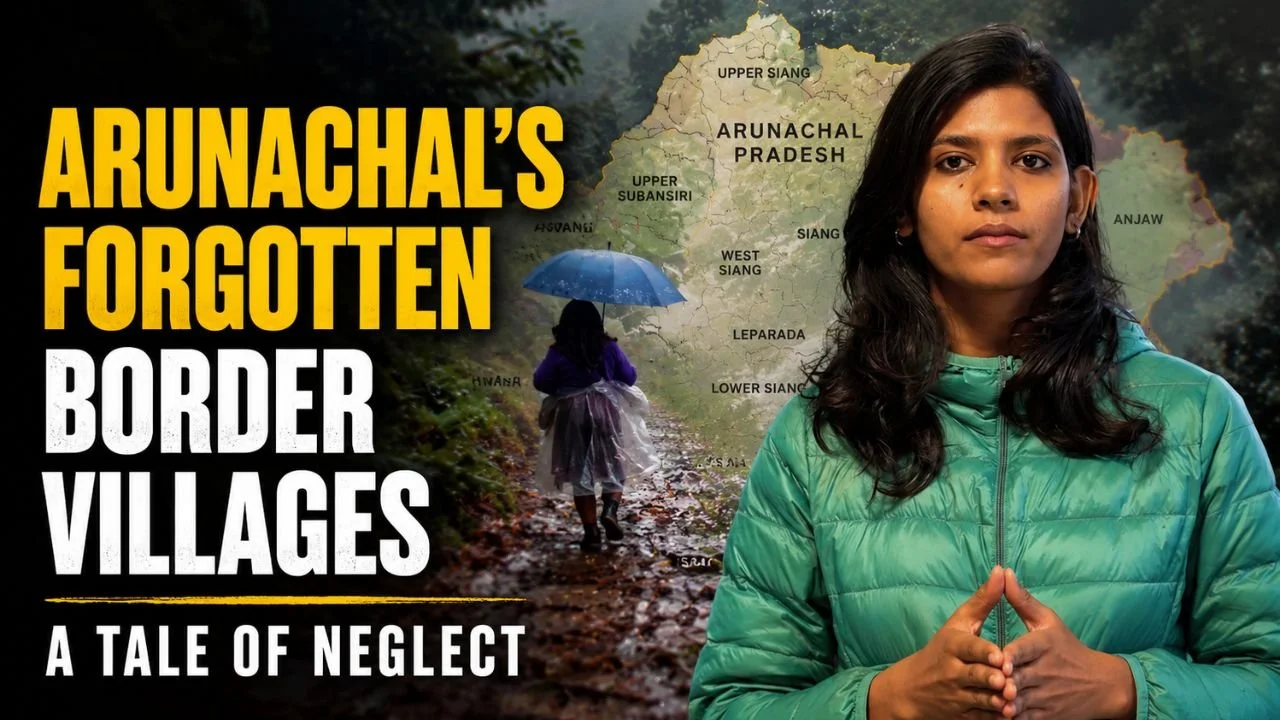
More than 500 villages along Arunachal’s border areas have seen depopulation, with families leaving behind their ancestral homes, ways of life and cultures. With even the most basic facilities missing, many people say they had no option but to move in search of a better future for the next generation. But this migration — not by choice, but because of circumstance — has left deep wounds of neglect. For governments, the border has always mattered. But the people living along it have had to wait much longer to matter. In this video, Newsreel Asia travels to Lower Dibang Valley, one of the districts in Arunachal Pradesh that shares a border with the Tibet Autonomous Region, controlled by China. Datu Mega, Pronov Mega and Deta Mega represent three generations of hill-inhabiting Idu Mishmis who have suffered the consequences of this neglect.
In Part 2 of the story on polygamy among tribal communities in Arunachal Pradesh, Nada Nampi, now an advocate, speaks about the disturbing impact this practice has on women, children, families, and society at large. When she met her husband, who had also grown up in a broken family shaped by similar circumstances, she felt she had found someone who would understand her. But some social customs are inherited in ways that the very patterns people suffer under become the ones they carry forward; and Nampi did not realise when her biggest fear would become her own reality.
What do India’s persecuted communities go through behind closed doors? What happens when you sit across a dinner table and truly listen? Over the course of 9 powerful episodes, The Dinner Table, a docu-series by Newsreel Asia, brings together stories from communities who have long been silenced, sidelined, or targeted — simply for their identity, faith, or beliefs.
Docuseries
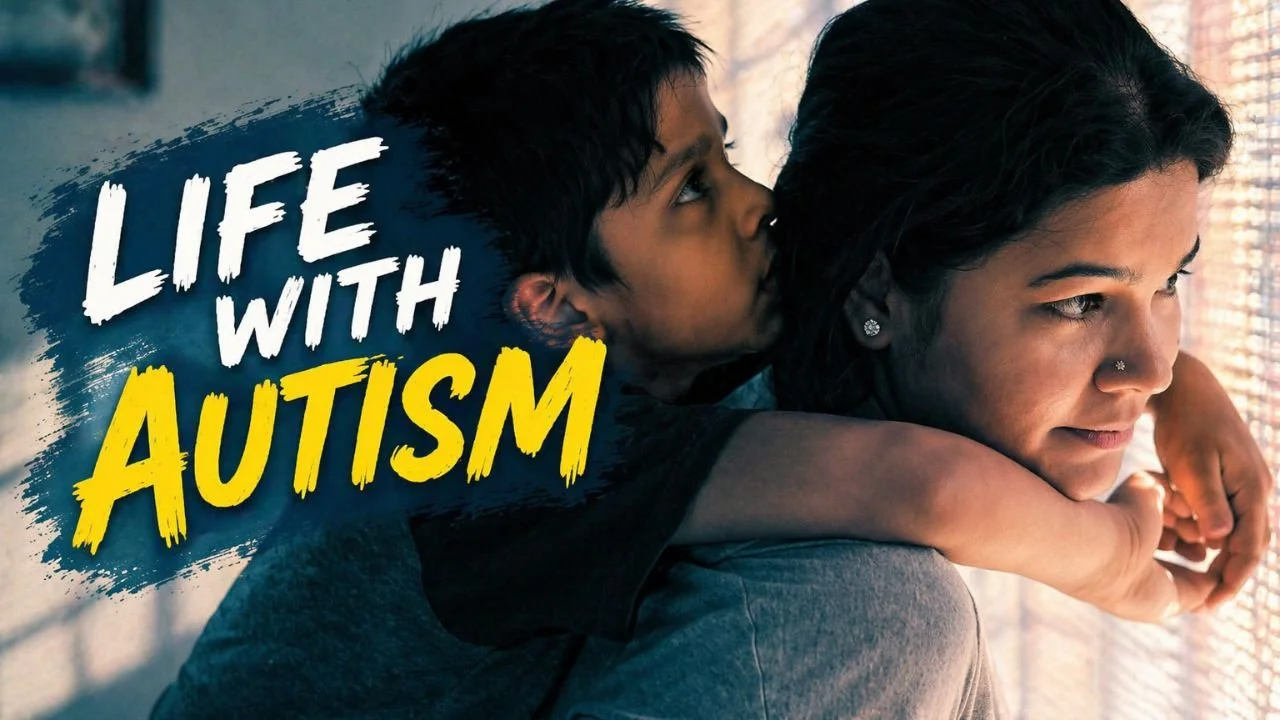
Antara Dey Chowdhury was a Squadron Leader in the Indian Air Force when her life changed course. In 2012, after her son Kabir was diagnosed with autism, she made the difficult decision to leave her military career to care for him full-time.
On February 15, 2025, a deadly stampede took place at the New Delhi Railway Station. It was triggered by a sudden surge of passengers, fueled by delays to three trains, including a special train bound for the Maha Kumbh mela - projected as the world's biggest religious congregation - that was being held in Uttar Pradesh's Prayagraj. One year on, students of Jamia Milia Islamia University revisit the family of Pinki Devi, who was one of the 18 victims who lost their lives in the tragic incident.
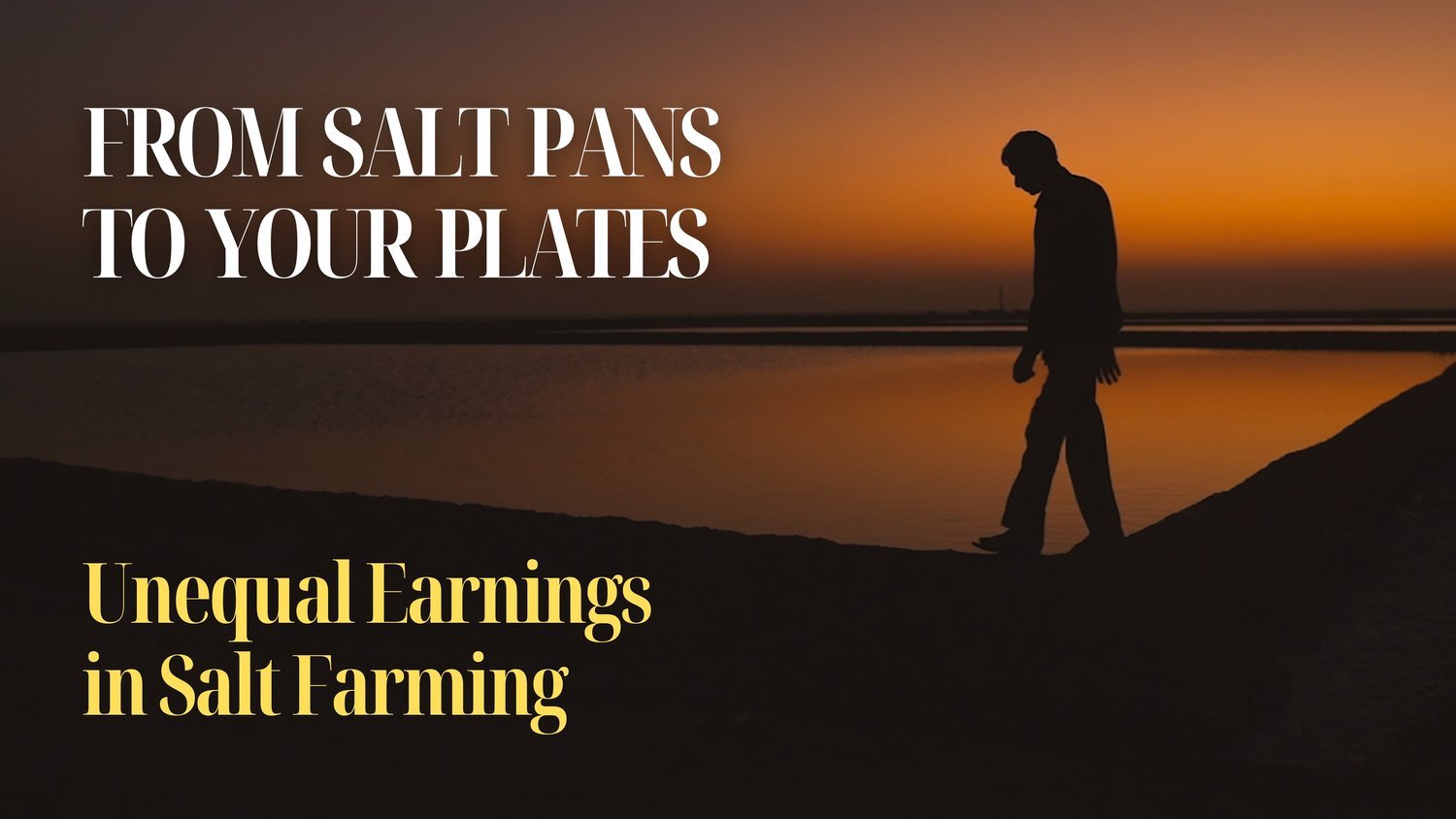
Gujarat stands as India’s foremost salt-producing state, contributing 85% to the nation's total salt output. Within Gujarat, 31% of this production originates from the Agariya community living within the Little Rann of Kutch. Despite being the primary contributors to the salt industry, the Agariya people find themselves receiving the smallest share of profits. Furthermore, they grapple with the adverse effects of climate change, directly impacting their livelihoods. In this narrative, Bhopa and Gunand, two Agariya salt farmers, shed light on the disparity in earnings within the salt farming sector.
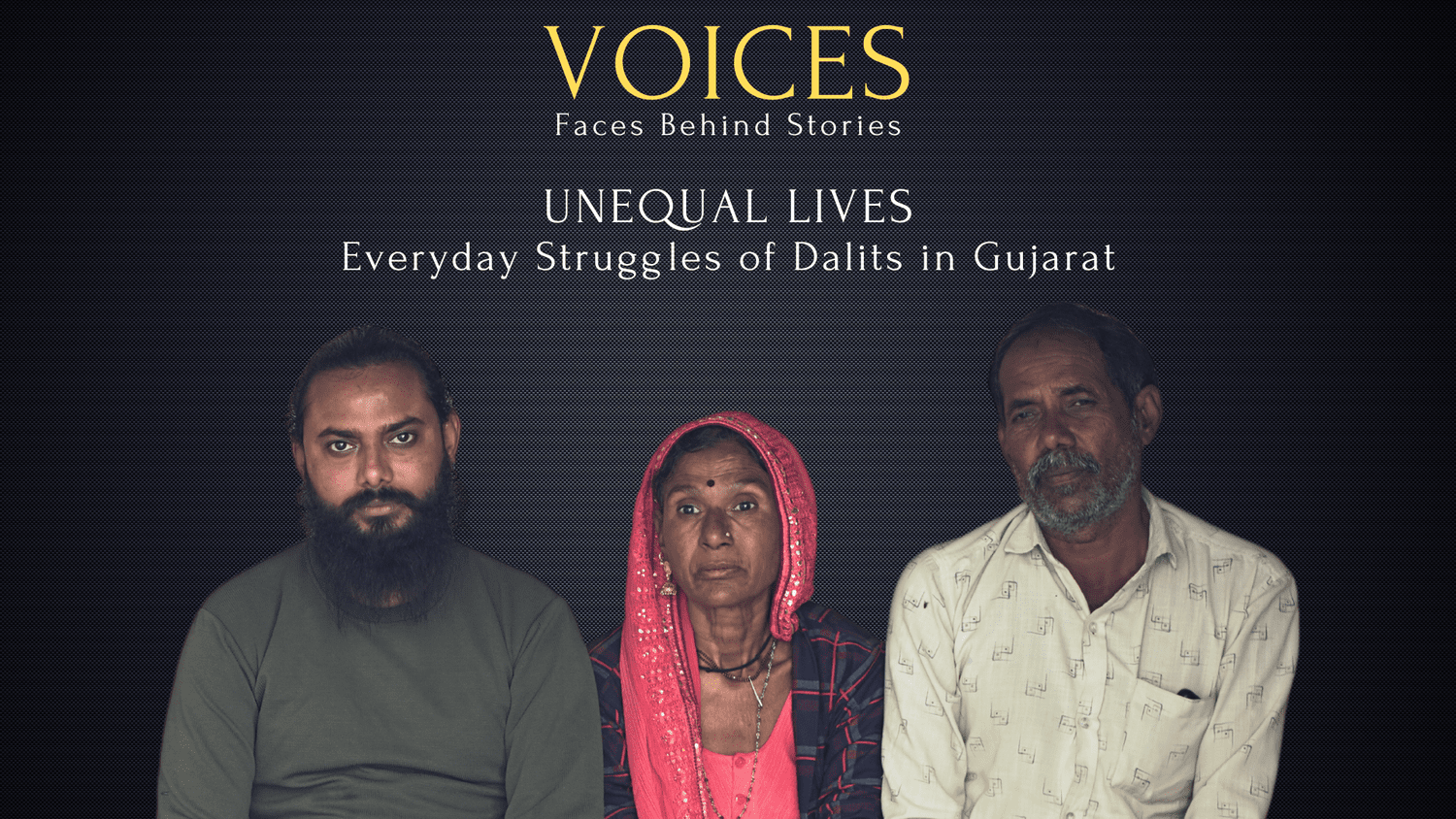
Bhupat Bhai Sekhaliya, a diligent and hardworking rickshaw driver from Gujarat, belongs to the Dalit community. Despite his unwavering dedication, the respect he deserves eludes him, particularly from individuals of "upper" castes in his vicinity. Many daily activities, deemed "normal" for any resident, remain inaccessible to him. Defiance can lead to physical assault. However, Bhupat's story is not an isolated incident. In Gujarat, the spectre of violence against Dalits looms large, with an average of four cases reported daily. The past seven years have seen a staggering total of over 9,000 documented instances of such violence.
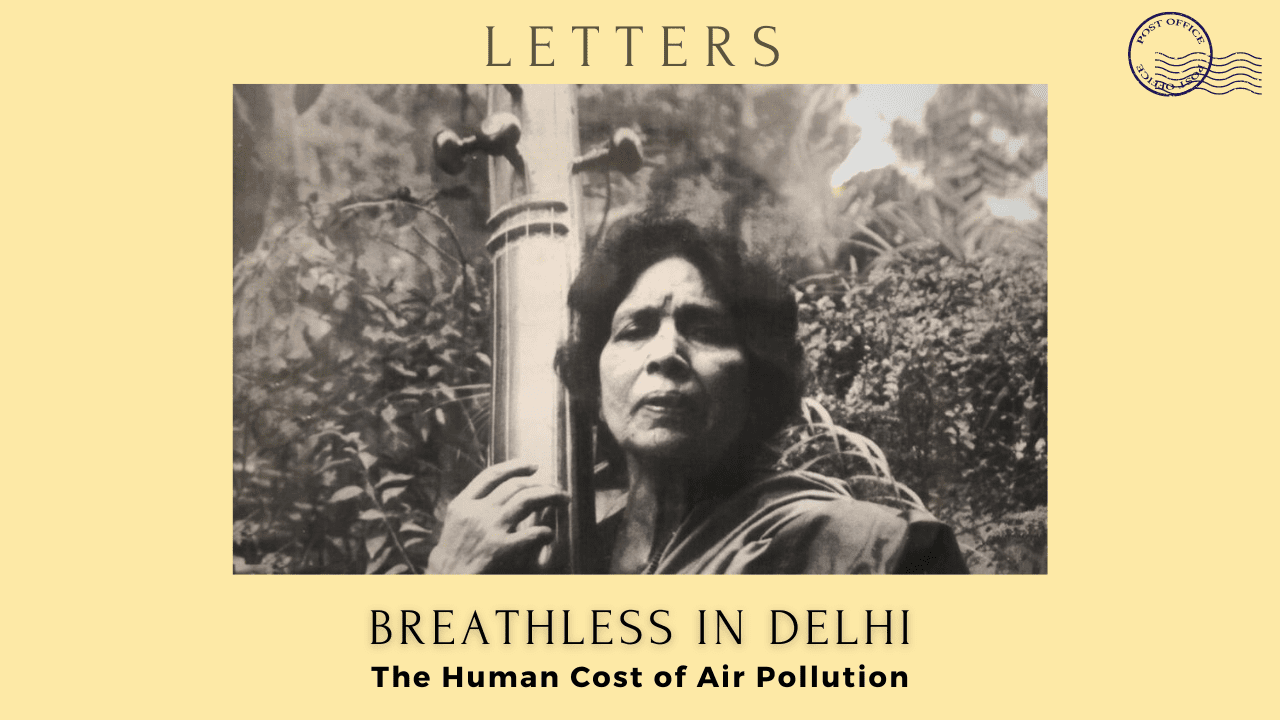
If you are living in Delhi, you might lose 12 years of your life because of air pollution. Jyoti Lavakare Pande, an author and a journalist from Delhi, writes an open letter to highlight the intensity of pollution in Delhi. She reflects on her mother's vibrant and resilient life, filled with smiles and melodies. Her mother, Kamale Pande, a classical vocalist, was diagnosed with terminal lung cancer, struggling for every breath in Delhi's pollution. She pens down her mother’s journey to raise awareness about the invisible killer looming in Delhi’s air.
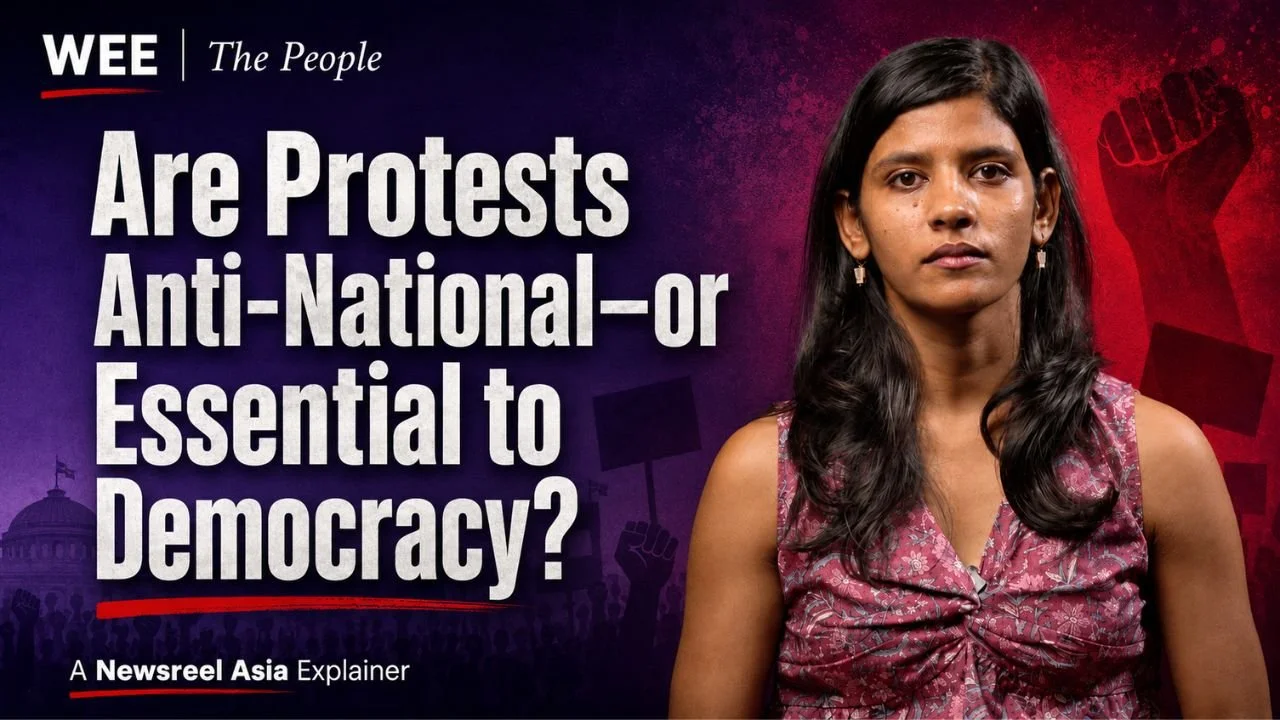
In this episode of WEE The People, we examine the history and importance of protests—from one of the earliest recorded workers’ strikes in ancient Egypt to the French Revolution, the labour movement, the struggle for universal voting rights and India’s freedom movement. We also explain how protests create change. By bringing people together, they make ignored problems visible, attract public attention, demonstrate collective strength and give people without money or institutional influence the power to negotiate with those in authority.
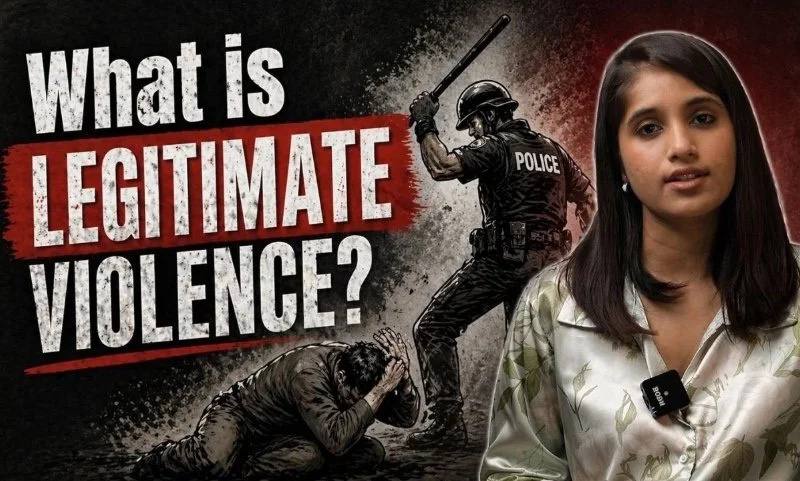
Why do we go to the police instead of taking revenge ourselves? Why does the court decide disputes instead of families settling them through force? The answer lies in the political science concept of “monopoly over legitimate violence.”
Do governments really need to limit our freedom to keep us safe? In this episode, we break down the concept of security politics and how states define threats, justify extraordinary measures, and expand their powers in the name of protection.
The central government is reportedly considering delaying its plan to increase the amount of ethanol mixed with petrol from the current 20% to 25%. The government’s rationale is that the move would reduce India’s dependence on imported crude oil, lower some vehicle emissions and create a bigger market for Indian farmers. However, these stated public policy objectives overshadow several economic principles that lie behind citizens’ opposition to the proposal.